International
 Brasil
  Chile
Chile  Deutschland
  España
  France
  Italia
  Panamá
  Portugal
  Russia
  UK
UK 

The idea that there is any difference between the left and right ovary might come as a surprise to some. After all, it would be understandable to assume that, since we have two ovaries, the work of producing a mature egg each month would be distributed equally between the left and right ovary. But then… View Article
Read more
Cervical mucus is one of the most reliable and natural indicators for identifying fertile days within the menstrual cycle. Through changes in texture, color, and quantity, the body provides clear signals about ovulation, fertility, and even possible early signs of pregnancy. Understanding how it changes before, during, and after ovulation not only helps improve the… View Article
Read more
How do hormones control the menstrual cycle? The menstrual cycle is regulated by an interaction between reproductive hormones: LH, FSH, estradiol, and progesterone. This process results in follicular growth, ovulation, and the formation of the corpus luteum. If there is no pregnancy, the decrease in progesterone levels leads to the shedding of the endometrial lining… View Article
Read more
Hypothyroidism, like any other condition that disrupts hormonal function, can affect fertility in both women and men. However, in women, it can lead to ovulatory issues, such as irregular cycles, and increase the risk of miscarriage in patients with altered thyroid hormone levels. Does Hypothyroidism Affect Fertility? Hypothyroidism is a condition that occurs when the… View Article
Read more
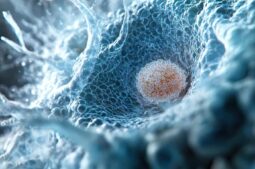
A lab-grown endometrium has been developed by researchers of IIS La Fe, the IVI Foundation, Stanford University, and the Babraham Institute. It’s the first in vitro model that closely replicates the human endometrium. It has been created to simulate embryo implantation up to day 14 of development, the legal limit for such studies. This breakthrough… View Article
Read more
Pregnancy can be a time of heightened anxiety as well as happy anticipation. It’s understandable that some of the changes that pregnancy causes are themselves cause for concern. However it’s perfectly normal for women to experience increased vaginal discharge during pregnancy. In this IVI blog article, we take a look at its different types. Which of… View Article
Read more
Yes. People living with HIV can have children without transmitting the virus as long as they receive proper medical care and use specific assisted reproduction techniques. Antiretroviral therapy and procedures such as sperm washing make it possible to virtually eliminate the risk of transmission to the future baby. Is a Safe Pregnancy Possible When Living… View Article
Read more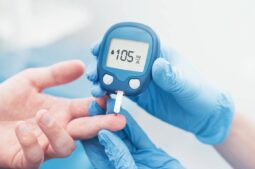
Diabetes can negatively impact fertility in both men and women, though it affects each sex differently. This condition consists on high levels of glucose in the blood, which can lead to fertility problems and difficulty achieving a successful pregnancy. How Is Female Fertility Affected by Diabetes? Uncontrolled diabetes can negatively impact female fertility. Elevated blood… View Article
Read more
The ASEBIR 2025 Congress showcased how artificial intelligence and new omics technologies are transforming the approach to fertility treatments. Thanks to these innovations, specialists can better analyze eggs, sperm, and embryos—enhancing selection accuracy and improving outcomes. What Is the Impact of Artificial Intelligence on Assisted Reproduction? Artificial intelligence (AI) is becoming an essential tool in… View Article
Read more