International
 Brasil
  Chile
Chile  Deutschland
  España
  France
  Italia
  Panamá
  Portugal
  Russia
  UK
UK 

Having made the momentous decision to consult a fertility treatment centre, the first reassurance you need is that the clinic is accredited by the relevant regulating bodies. You will of course also be asking questions like, what is the fertility treatment success rate of my chosen clinic? But this is not the full story. Does… View Article
Read more
World Ovarian Cancer Day is the 8th of May. In 2013, a group of ovarian cancer advocacy organizations around the world came together to establish the day with a focus of raising awareness and solidarity in the continuing fight. Raising awareness is vital. Currently, around 300,00 women worldwide are diagnosed every year and overall… View Article
Read more
For time immemorial, family groups in one form or another have been the basic building block of social structures. This fact has not changed over the centuries, but the definition of a family certainly has. These days in most of western Europe, standard sociology theory maintains that there are five types of families, being nuclear,… View Article
Read more
Fertility is an issue that can’t help having an impact on a large portion of our lives. From the age at which we start being sexually active, right through to looking out for signs of the perimenopause, there’s always an aspect of it to think about. You may be more focused on effective contraception in… View Article
Read more
Don’t worry, it’s normal to feel guilty Our Emotional Support team gives you some key points to get through this situation and resume the processes in the best state of mind COVID19 and assisted reproduction. At this time when the world health situation has disrupted everyone’s life, at IVI we are very aware of… View Article
Read more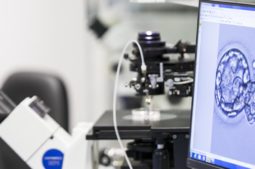
From simple prayer and totemic rituals to ancient herbal remedies, spells and incantations, we humans have a long history of searching for a cure for infertility. Since the urge to procreate is one of life’s primal forces, this is not surprising. In the 21st century, although we may have moved on from magical concoctions… View Article
Read more
Every month as part of the regular menstrual cycle, a woman’s body naturally produces hormones which stimulate her ovaries to produce a single egg and to release it for its fertilization in the familiar process known as ovulation. In the context of assisted fertility treatments, various hormones are administered which either mimic or increase… View Article
Read more
In today’s comparatively open and flexible social climate, the old-fashioned stigma which used to surround single mothers simply no longer exists. The concept of the nuclear family has changed in all sorts of ways so that now it is possible for more and more people to make conscious decisions about their lives and living arrangements,… View Article
Read more
We continue to fight the spread of COVID-19 as we know best: with good judgement, common sense and always prioritizing the health and safety of our patients and society in general. And a fundamental factor in achieving this is information, the key to defining the best way to act and respond to the uncertainty that… View Article
Read more